
How to Ace OC Test Thinking Skills: Developing Reasoning Ability in Year 4
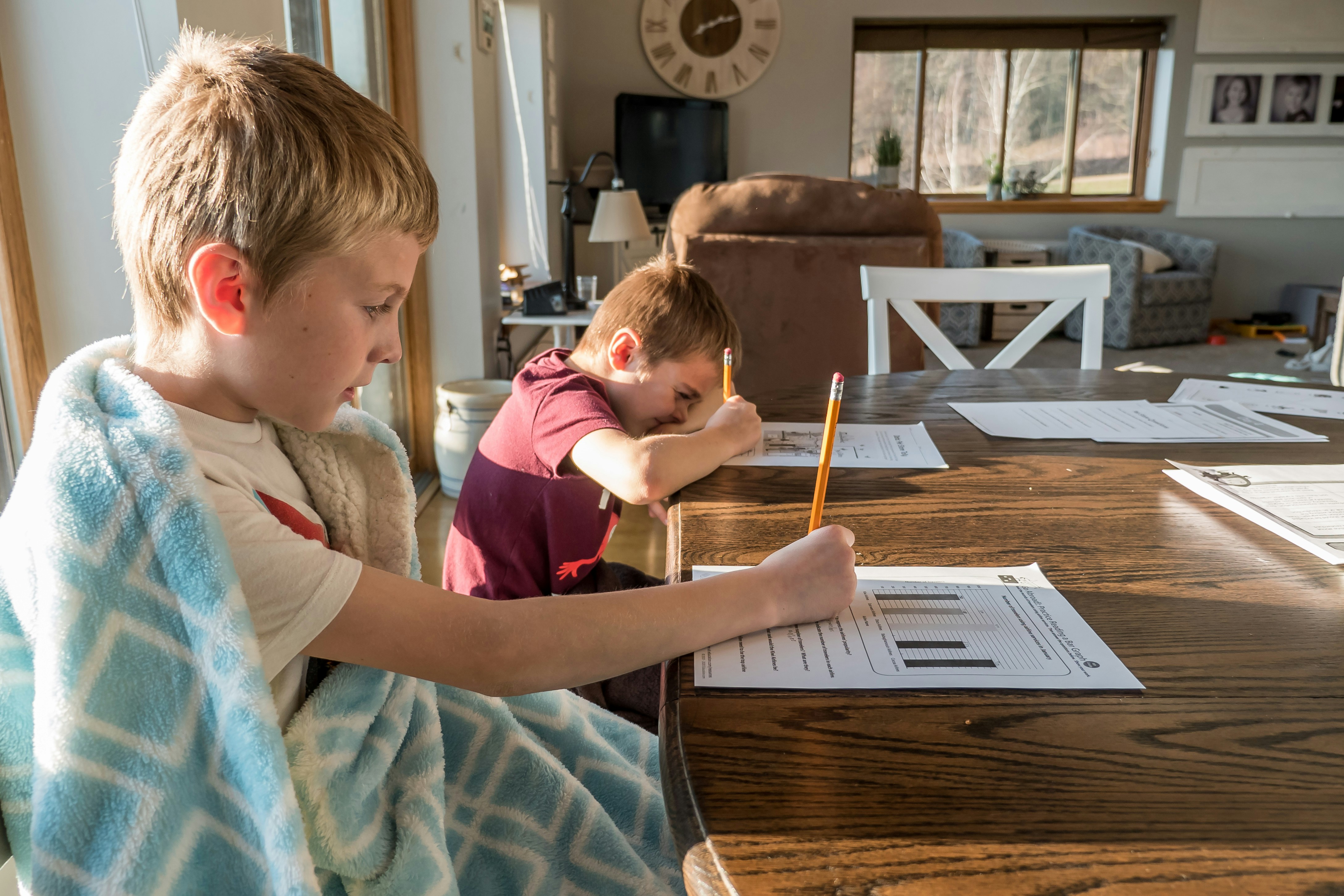
How to ace OC test Thinking Skills, developing reasoning ability in Year 4
The Thinking Skills section of the OC placement test presents 30 multiple-choice questions, four options each, to be completed in 30 minutes. No prior knowledge is required. Questions integrate literacy, numeracy, spatial awareness, and logic, and they are designed to be genuinely unfamiliar, to present a student with something they have not specifically prepared for and to assess whether they can reason through it from scratch.
This design intent has a practical implication: the section explicitly resists the kind of preparation that works for content-based sections. A student who has drilled extensively on practice papers may gain familiarity with some question formats, but the section is specifically constructed to reward students who can think, not students who have memorised the most templates. Understanding this changes what effective preparation looks like.
What the section actually assesses
Thinking Skills questions fall into two broad categories. Critical thinking questions ask a student to read and evaluate information: to understand what an argument is claiming, to identify what follows from a set of statements, to spot a reasoning error, or to judge whether a conclusion is supported by the evidence given. Problem-solving questions ask a student to work through spatial tasks, visual patterns, logical sequences, and constraint problems using deductive reasoning.
Both types draw on language and numeracy at Year 4 level, but the challenge is not the content, it is the reasoning operation required. A critical thinking question may be based on a short passage about something entirely familiar, but the question asks not "what does this say?" but "does this conclusion follow?" That shift from comprehension to evaluation is what makes these questions demanding for most primary school students.
Critical thinking: teaching students to evaluate, not just understand
Most students arrive at Year 4 having been taught to read for meaning, to understand what a text says. Critical thinking requires a further step: reading to assess whether what a text says is logically sound. The core question to develop is: does the conclusion follow from the evidence? Not "does this seem right?" but the more precise question of whether the reasoning holds.
A reasoning habit to build at home: When a child makes a claim or gives a reason, about anything, not just schoolwork, ask: "How do you know that?" and "Could there be another explanation?" These questions, asked regularly and without pressure, build the habit of justifying conclusions rather than simply stating them. A Year 4 student who has been regularly asked to defend their reasoning, distinguish between what they know and what they are assuming, and consider whether there are other possibilities, is developing exactly the critical thinking capacity the section assesses.
Problem solving: the tolerance for genuine unfamiliarity
The problem-solving questions in the OC Thinking Skills section are designed to be novel, structured so that no memorised procedure will solve them directly. A student who instinctively looks for a template to apply will find these questions frustrating. A student who instinctively begins by identifying what is given, what is being asked, and what relationships or constraints exist, and then works from there, is in the right position to solve most of them.
This problem-solving disposition is the most important quality to develop for this component. It is built through engagement with genuinely challenging puzzles rather than routine practice questions, and it develops most readily when the student finds the puzzle interesting rather than tedious.
What actually works as preparation
The most effective preparation for OC Thinking Skills develops reasoning ability directly rather than familiarity with question formats. For critical thinking, this means regular conversation with an adult who asks genuine reasoning questions: "Why do you think that?", "What would have to be true for that to be right?", "Is there anything that doesn't fit?" For problem solving, it means logic puzzles, spatial games, pattern-based challenges, and strategy games that require sequential thinking, presented as enjoyable activities, not test preparation.
Sudoku at an appropriate difficulty, grid-based deduction puzzles, tangrams, visual pattern games, and strategy board games all develop the structured reasoning the section rewards. The student who finds these genuinely engaging and returns to them voluntarily is building the right capacities. Forcing a reluctant student through large numbers of practice papers produces fatigue and surface familiarity, not reasoning development.
The trap of over-preparation
The OC test is competitive, but it is sat by Year 4 students, ten-year-olds for whom sustained test preparation carries real costs to wellbeing, enjoyment of learning, and the genuine curiosity that makes the kind of thinking this section tests possible in the first place. Preparation for Thinking Skills that extends to multiple intensive sessions per week over many months, or that creates significant anxiety about performance, is likely to produce diminishing returns well before the test date, and may actively undermine the exploratory, curious mindset that this section is designed to reward.
Preparation should be light enough that it feels like enrichment. A student who approaches the test having been regularly exposed to interesting puzzles, having had many conversations that challenged them to think carefully, and who finds the Thinking Skills questions intriguing rather than threatening, is better placed than one who has drilled extensively but approaches each question searching for a format they have memorised.
At Shoreline, Thinking Skills preparation for OC students is built around one observation: the students who perform best in this section are those who find the problems genuinely interesting. We work to develop that orientation, building reasoning habits through puzzles and conversation that feel worthwhile rather than preparatory, and modelling how to engage with something genuinely unfamiliar without anxiety. A student who arrives at the test curious about the problems in front of them, rather than searching for templates they have memorised, is in exactly the right state to demonstrate the reasoning ability the section is designed to find.