
Trial Exams: What They Actually Mean, How to Prepare for Them, and How to Use the Results
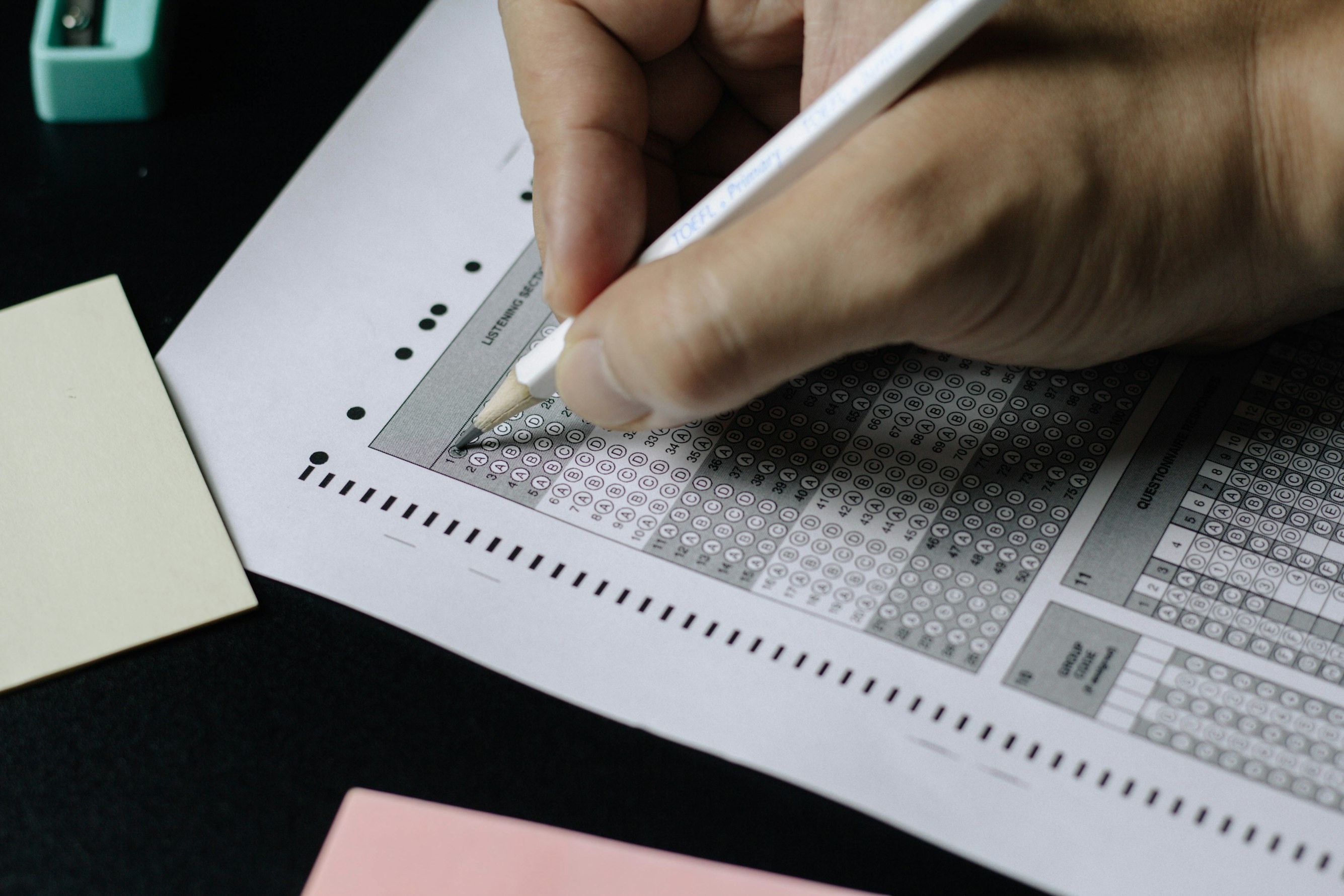
Trial exams: what they actually mean, how to prepare for them, and how to use the results
Trial exams, sometimes called mock exams or preliminary exams depending on the school, sit in a peculiar position in the HSC calendar. They are high-stakes enough that schools treat them seriously and students feel genuinely anxious about them, but their relationship to the actual HSC is frequently misunderstood. Some students treat them as a low-consequence rehearsal and prepare accordingly. Others treat them as a final verdict and collapse when the results are disappointing. Both responses are wrong, and both lead to preparation mistakes that are entirely avoidable once the actual mechanics are understood.
Trial exams matter, but for specific reasons that most students cannot articulate. Understanding those reasons changes how to prepare, how to interpret the results, and what to do in the weeks between trials and the actual HSC exams.
What trial exams actually determine
Trial exams serve two functions that are worth keeping clearly separate. The first is as an internal assessment task, typically the highest-weighted task in most subjects, contributing significantly to a student's internal assessment mark. Because NESA uses internal rank rather than raw marks to determine the internal component of the final HSC mark, the trial exam's most important function is its effect on rank within the school cohort. A student who performs strongly in trials relative to their classmates improves their rank at the most consequential moment in the internal assessment cycle; a student who underperforms relative to their cohort, regardless of the absolute mark, loses rank at the same moment.
The second function is diagnostic: the trial exam is the most direct simulation of the actual HSC examination that most students will experience before the real thing. A full paper, sat under exam conditions, in the subject's actual format, with time pressure, it reveals preparation gaps, time management weaknesses, and question-type difficulties that practice at home or in class does not. This diagnostic information is among the most valuable available to a student in the final preparation stretch, if they know how to use it.
The internal rank implication: Because internal rank matters more than raw marks, a student who achieves 72% in the trial exam but ranks second in their cohort is in a better internal position than one who achieves 80% but ranks fifth, if the gap in external exam performance between those positions is significant. This is not an argument to focus on peers rather than genuine preparation. It is a reminder that the relevant comparison in trials is always relative, not absolute.
How to prepare, the right framing
The most productive way to think about trial exam preparation is as early HSC exam preparation. The trial is not a separate event to be prepared for separately, it is the first full run of the preparation that the HSC will require. A student who treats trials as a genuine rehearsal of the external exam will arrive at the actual HSC better prepared than one who treated trials as a hurdle to get through and then shifted into "real" preparation mode afterward.
This means the preparation strategies that produce good trial results are identical to those that produce good HSC results: working through past papers under timed conditions, reviewing marking guidelines to understand what specific answers attract which marks, consolidating content knowledge in areas of weakness identified through practice, and developing the extended writing fluency that the higher-mark questions require. There are no special trial exam strategies distinct from good HSC preparation strategies. The two are the same thing, and treating them as continuous rather than sequential is the right mental model.
Managing the week before trials
The week immediately before trial exams is where poor preparation habits are most visible and most costly. Students who have not maintained consistent preparation across the year attempt to compensate through marathon study sessions, late nights, and cramming, none of which produces the durable retention that trials and the HSC require, and all of which arrive at the exam room with a cognitively depleted student rather than a sharp one.
The students who perform best in trial exams are almost always those who have studied consistently enough that the final week is consolidation rather than catch-up. In that week, the most productive activities are reviewing summaries of key content, working through one or two recent past papers under timed conditions to maintain exam rhythm, and ensuring sleep is prioritised. The least productive activities are attempting to learn new content for the first time and studying past midnight on the basis that more hours must mean better preparation.
The night before a trial exam: At this point, the material is either known or it is not. A few additional hours of study will not change that in any meaningful way. What those hours will do is reduce the sleep that determines how much of what is already known can be accessed under exam pressure. A student who stops studying at a reasonable hour, sleeps well, and arrives rested will outperform one who studies until 1am and arrives tired, not because the rested student knows more, but because they can access what they know more reliably when it matters.
During the trial: exam technique matters as much as preparation
Trial exams are a genuine opportunity to practise exam technique under real conditions, and to identify weaknesses in that technique while there is still time to correct them before the HSC. The most important technical habits to execute deliberately in trial exams are: reading the whole paper before beginning to allocate time intelligently; answering questions in order of confidence rather than in order of appearance when time is short; leaving space to return to questions rather than abandoning them entirely; and reading each question twice before writing, to avoid answering a slightly different question from the one asked.
Students who sit trial exams and finish with time to spare should spend it reviewing extended responses for completeness rather than checking short answers that are either right or wrong and cannot meaningfully be improved. The marks available in extended responses are significantly higher, and even a small addition to an incomplete argument can make a material difference to the mark.
How to use trial results, the review process that most students skip
The trial exam result is one piece of information. The review of the trial exam is where the preparation value lies, and it is the step most students perform inadequately or skip entirely. A student who receives their marked trial paper, notes the total mark, and moves on has extracted a fraction of the available value.
For each question answered incorrectly or incompletely, the review should identify which type of error produced the lost mark: a content gap (the student did not know the material), a technique error (the student knew the material but answered the wrong question or structured the response poorly), or a time management failure (the student ran out of time before completing the answer). Each error type has a different remedy, content gaps require consolidation of the relevant material; technique errors require practice with that question type; time management failures require timed practice sessions with adjusted pacing. Knowing which type of error produced each lost mark is the only way to address the right problem rather than working on the wrong one.
What to do if the trial results are poor
Disappointing trial results are more common than most students realise, and more recoverable than the weeks immediately following trials might suggest. Because the HSC external examination is 50% of the final mark and is entirely independent of internal assessment performance, a student who performs poorly in trials but responds with focused, well-directed preparation in the following weeks can significantly change their final outcome. The trial result is not a ceiling; it is a snapshot of where preparation stands at a particular point in time.
The most important response to a poor trial result is diagnostic rather than emotional. The question is not "why did this happen?" but "what specific gaps does this result reveal, and what is the most efficient way to address them in the time remaining?" A student who can answer that question clearly and act on the answer, rather than spending weeks in distress about the result, is doing precisely what the trial was designed to enable.
If the result has damaged internal rank, the remaining internal assessments, if any exist after trials, offer a limited opportunity to recover some ground. More importantly, a strong external HSC exam performance can substantially compensate for a weak internal mark. The student who takes a poor trial result and uses it as the sharpest possible signal about what to prioritise in the weeks before the HSC is making exactly the right response.
The weeks between trials and the HSC
The period between trial exams and the HSC external examinations is typically six to eight weeks, enough time to make meaningful improvements in preparation, and short enough that every week carries disproportionate weight. Students who spend the first two of those weeks recovering emotionally from trial results and the last two panicking about the approaching exams have effectively compressed their productive preparation into a much shorter window.
The students who make the most of this period are those who begin it with a clear plan: the specific topics to consolidate, the specific question types to practise, the specific past papers to complete, and the specific writing tasks to develop. That plan should be derived directly from the trial exam review, the errors identified in the trial should determine the preparation priorities for the final stretch. A generic "study everything" approach to the remaining weeks is significantly less effective than a targeted response to what the trial actually revealed.
At Shoreline, we treat trial exams as one of the most important diagnostic events of the year, not because the results determine the outcome, but because they reveal exactly where preparation needs to go next. The sessions that follow trials are among the most focused of the year: specific gaps identified from specific questions, worked through methodically with the actual HSC marking guidelines in hand. The students who arrive at those sessions having already reviewed their trial paper and identified their three biggest areas of concern are the ones who make the most of the remaining time. The trial exam is the clearest signal the HSC provides about where the work still needs to happen. Using it well is what distinguishes the students who peak on the day from those who peaked at trials.